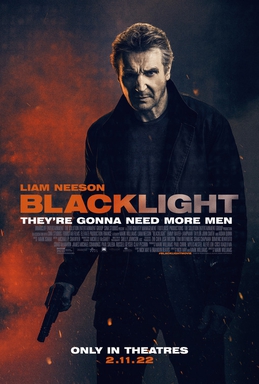
Blacklight: Is Liam Neeson's Travis Block Just Another Action Hero?
When the name Liam Neeson flashes across a movie poster, especially for an action thriller, a certain expectation is immediately set. His latest offering, *Blacklight*, has generated considerable discussion on platforms like
Blacklight IMDb, promising another dose of high-stakes intrigue and explosive combat. But as we delve into the world of Travis Block, the film's protagonist, a crucial question emerges: Is he merely another stoic, gun-wielding hero in Neeson's ever-growing action filmography, or does *Blacklight* offer something more nuanced, perhaps even a fresh take on the aging operative trope?
Mark Williams's intense action thriller introduces us to Travis Block, a man who lives and fights in the shadows. He’s not a secret agent in the traditional sense, but rather a freelance government "fixer" – a dangerous individual whose assignments include extracting agents out of deep-cover situations. This particular specialization hints at a man deeply enmeshed in the covert world, privy to its darkest secrets and morally ambiguous necessities. While the internet also mentions *The Blacklight*, a supernatural crime thriller starring Victor Verhaeghe, our focus here is squarely on the Liam Neeson vehicle, a film that places its stakes firmly in the realm of governmental corruption and personal redemption.
Travis Block: Beyond the Bang and Whimper
On the surface, Travis Block might seem like a familiar figure to fans of "LiaMayhem" – a seasoned operative with a particular set of skills, forced out of retirement or a quiet life by circumstances beyond his control. However, *Blacklight* attempts to carve out a slightly different path for Block. He's not just a man capable of violence; he's a man burdened by it, haunted by a lifetime of operating in the moral grey zones. His role as a "fixer" implies a level of cleanup and damage control that goes beyond simple extraction, suggesting a deeper understanding of the machinery of power and its inevitable collateral damage.
Block's world is turned upside down when he uncovers a shadowy program called Operation Unity. This isn't just about rogue agents or international espionage; it's about something far more insidious: a clandestine government initiative striking down ordinary citizens for reasons known only to Block's boss, FBI chief Robinson (played by the always compelling Aidan Quinn). This revelation shifts Block's internal compass dramatically. He's no longer just following orders; he's confronting a betrayal of the highest order, a systematic targeting of the very people the government is sworn to protect.
What differentiates Block in this scenario is his immediate moral crisis. Unlike some action heroes who jump into the fray fueled purely by vengeance or a sense of duty, Block’s journey is tinged with a quest for atonement. His past actions, his complicity in the shadows, suddenly weigh heavier when he sees how far unchecked power has spiraled. This internal conflict adds a layer of depth that many straightforward action heroes often lack. He’s not just fighting against an external threat; he’s fighting against the legacy of his own involvement in a corrupt system.
Unearthing Operation Unity: A Conspiracy Close to Home
The core of *Blacklight*'s narrative tension revolves around Operation Unity. This program, shrouded in secrecy, represents the ultimate abuse of authority, turning the government's formidable resources against its own populace. The film leverages our collective anxieties about surveillance, unchecked intelligence agencies, and the erosion of civil liberties, making the conspiracy feel disturbingly relevant. Block’s discovery forces him to confront the dark side of the institutions he once served, challenging his deeply ingrained sense of loyalty.
To expose this truth, Block enlists the help of a journalist, played by Emmy Raver-Lampman. This alliance is crucial, as it signifies a shift from purely physical combat to a battle for public awareness and accountability. The journalist's role underscores the film's broader themes of transparency and the power of truth in combating insidious lies. It's not enough to simply dismantle the operation; the truth must be brought to light. This element lends a more intellectual and ethical dimension to the action, suggesting that some battles cannot be won with fists and firearms alone. For a deeper look into the specifics of this conspiracy, you can read more about
Liam Neeson's Blacklight: Travis Block Uncovers FBI Conspiracy.
The stakes are further amplified when Block’s past and present collide, directly threatening his daughter and granddaughter. This personal vulnerability is a classic Neeson trope, yet in *Blacklight*, it serves to galvanize Block's mission for redemption. His fight is no longer just about abstract justice; it's about protecting the last remnants of his family, the people he loves. This brings a powerful emotional urgency to his quest, making his actions resonate with a universal desire to safeguard loved ones from harm. This intricate balance of personal and professional stakes truly drives the narrative forward. For more details on this aspect, explore
Blacklight's Secrets: Liam Neeson Vs. Unchecked Power and the FBI.
Liam Neeson's Action Persona: Evolution or Repetition?
Liam Neeson's late-career pivot into action hero status, famously ignited by *Taken*, has cemented his image as an older, grittier protector. Critics often point to his "endless output of action movies with derivative plots," questioning if *Blacklight* is just "Neeson kicking ass for probably the 1000th time." While there's a kernel of truth in the observation that Neeson often plays variations of the same archetype – the man with a troubled past forced into violent action – *Blacklight* attempts to inject a fresh moral dilemma into the formula.
Consider these aspects when evaluating Neeson's action roles:
- The Burden of Knowledge: Unlike some characters who are thrust into conflict, Block is complicit in the shadowy world he now fights. This internal conflict adds psychological weight.
- Quest for Redemption: His motivation isn't solely vengeance or protection; it's a deep-seated desire to atone for a lifetime spent in the service of questionable operations.
- Vulnerability: While physically formidable, Block's familial ties expose a profound emotional vulnerability, which resonates deeply with audiences.
- The "Fixer" Role: His specific skillset of "extracting agents" suggests a more nuanced understanding of covert operations than a typical ex-military or spy character.
Director Mark Williams, who previously collaborated with Neeson on *Honest Thief*, seems to understand the actor's appeal while also trying to push the boundaries of his established persona. While the film delivers on the expected "LiaMayhem" – car chases, shootouts, and close-quarters combat – it tries to ground these spectacles in a more complex ethical framework. The question then becomes: does *Blacklight* succeed in making Travis Block stand out, or does the weight of Neeson's action filmography ultimately pull him back into familiar territory?
Beyond the Explosions: Why *Blacklight* Might Resonate
While *Blacklight* may face criticisms of being a "rip-off of so many other action movies," its strength lies in its attempt to intertwine high-octane action with contemporary concerns. The themes of trust, identity, and the danger of unchecked power are more relevant than ever. The film dares to ask uncomfortable questions about the power structures that operate in the shadows, and what happens when those sworn to protect us become the biggest threat.
For viewers looking for more than just explosions, *Blacklight* offers:
- A Timely Narrative: The fear of government overreach and surveillance resonates with modern audiences, making the conspiracy feel palpable.
- Moral Ambiguity: Block is not a spotless hero. His past actions make his quest for redemption more compelling.
- The Power of the Press: The inclusion of a journalist highlights the importance of exposing truth, adding a layer of social commentary to the action.
- Strong Supporting Cast: With actors like Aidan Quinn, Taylor John Smith, and Emmy Raver-Lampman, the film provides solid performances that elevate the material.
Ultimately, *Blacklight* attempts to humanize the action hero, presenting a character who is not just a blunt instrument of justice but a man grappling with his conscience and the consequences of a lifetime of difficult choices. It’s a reflection on what happens when secrets are hidden and trust is betrayed, forcing one man to confront the very system he once upheld for a shot at true redemption.
Conclusion
So, is Liam Neeson's Travis Block just another action hero? While *Blacklight* certainly leans into the familiar territory of an aging operative fighting a corrupt system, it endeavors to add layers of introspection, moral conflict, and a powerful personal stake that differentiate Block from a purely generic figure. His journey from government "fixer" to reluctant whistleblower, driven by a desire for redemption and the protection of his family, offers a more complex character arc. While fans will undoubtedly get their dose of Neeson's signature action, *Blacklight* invites viewers to consider the deeper implications of unchecked power and the often-blurred lines between duty and betrayal. It’s a film that promises thrills, but also nudges us to think about the secrets hidden in the shadows, making Travis Block a hero forged not just by combat, but by conscience.